Troubleshooting & FAQ: Common Problems Solved
Get answers to the most common questions about Lodge cast iron cookware. From sticking food to seasoning issues, we've got you covered with expert solutions.
Lodge cast iron cookware is known for its exceptional durability and performance, but like any kitchen tool, it requires proper understanding and care. Whether you're experiencing food sticking to your Lodge pan, noticing flaking seasoning, or wondering about compatibility with your cooktop, this comprehensive FAQ guide addresses all your concerns. We'll debunk common myths, explain the science behind cast iron cooking, and provide practical solutions to ensure your Lodge cookware performs at its best for generations.
Why Is My Food Sticking to My Lodge Cast Iron?
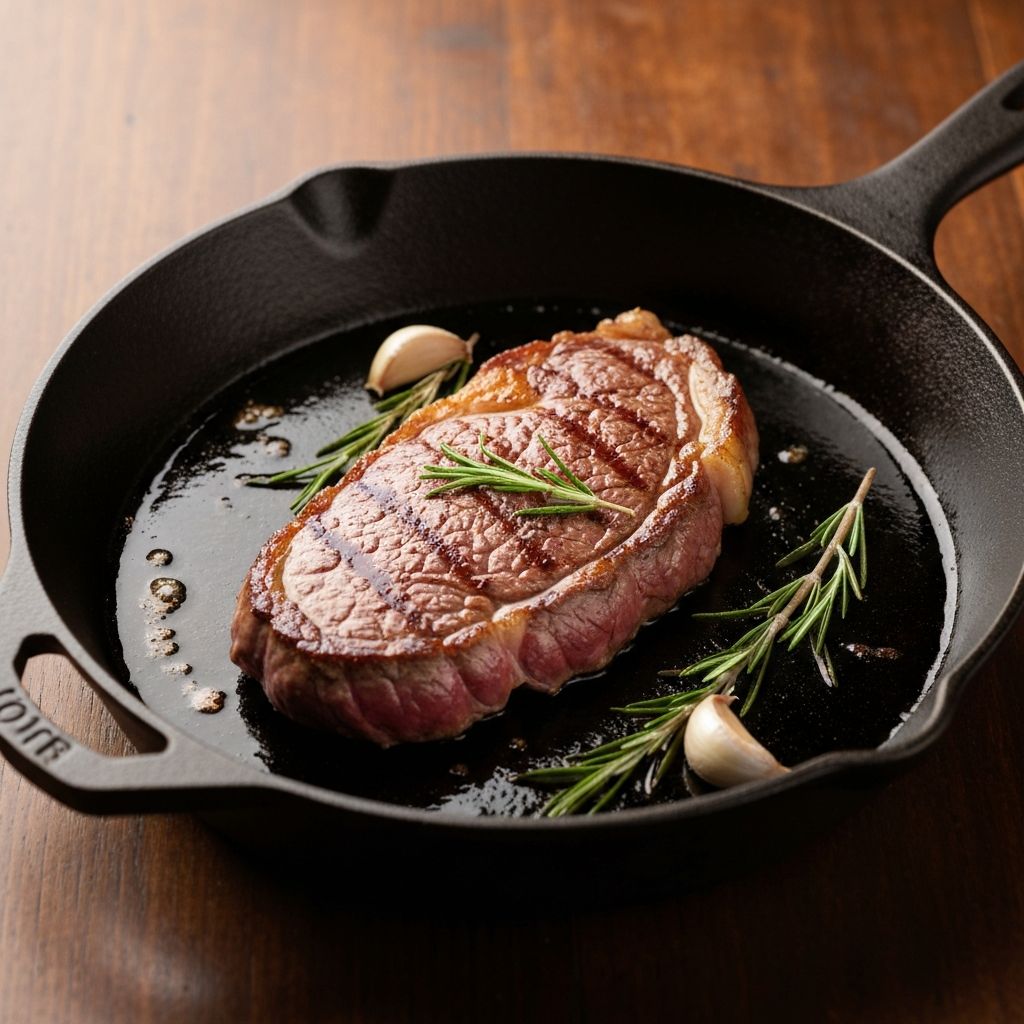
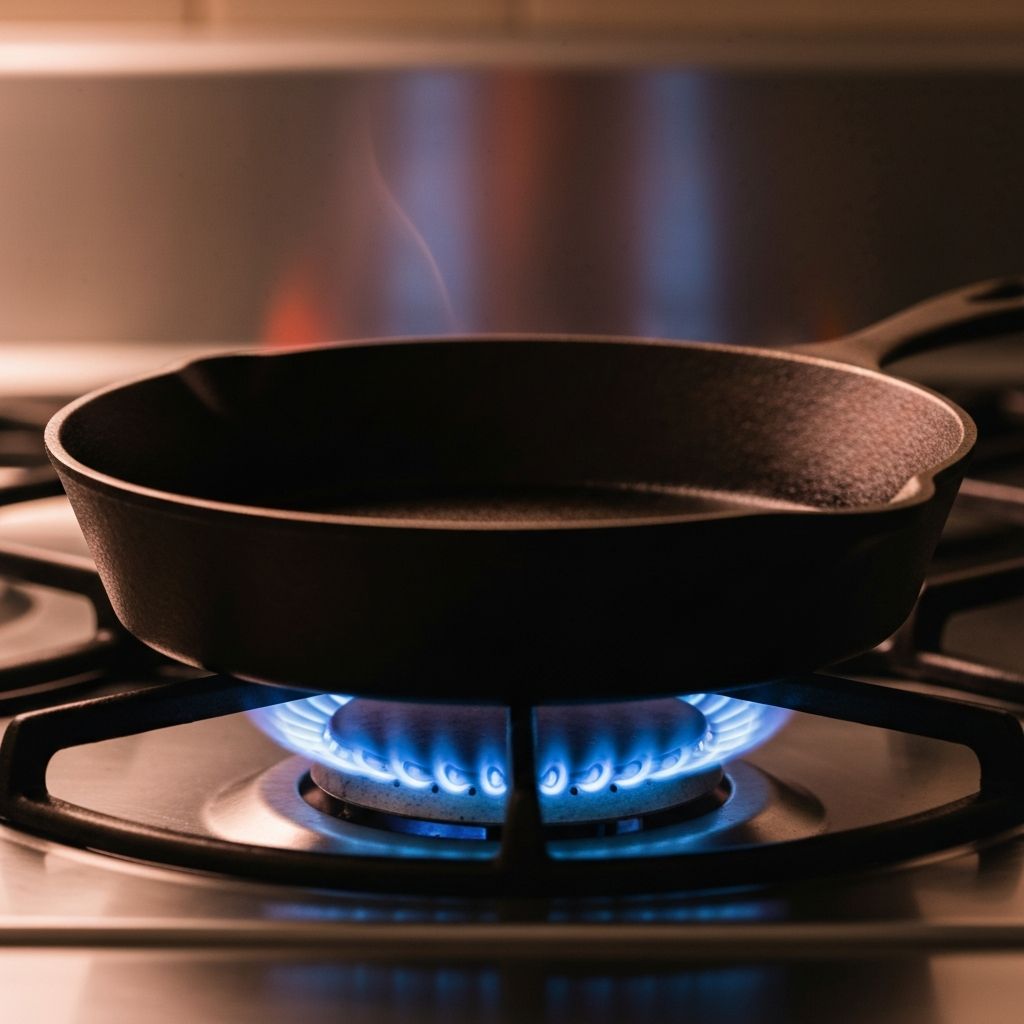
If your food is sticking to your Lodge pan, you're not alone—this is the most common issue faced by cast iron users. The good news is that sticking is almost always preventable with the right technique. The two primary causes of sticking food are improper heat control and insufficient seasoning.
Heat Control is Critical
Cast iron heats differently than modern nonstick pans. It takes longer to heat up, but once hot, it retains heat exceptionally well. The key is to preheat your Lodge pan properly—typically 5-7 minutes over medium heat. Test the temperature by sprinkling a few drops of water on the surface; they should dance and evaporate quickly when the pan is ready. Adding food to a cold or insufficiently heated pan is the number one reason for sticking.
Seasoning Creates a Natural Nonstick Surface
Lodge cookware comes pre-seasoned, but the seasoning layer improves with use. Seasoning is a layer of polymerized oil that creates a natural nonstick surface. If your pan is new or hasn't been used frequently, it may need additional seasoning. Cook fatty foods like bacon or use generous amounts of oil when cooking to build up the seasoning layer. Over time, as the seasoning becomes more established, you'll notice significantly less sticking.
Additional Tips to Prevent Sticking
- Use enough fat: Butter, oil, or lard creates a barrier between food and the pan surface
- Don't move food too early: Let proteins develop a crust before flipping—they'll naturally release when ready
- Avoid high heat: Medium to medium-high heat is usually sufficient for most cooking
- Keep the pan clean: Food residue can cause sticking; clean thoroughly after each use
- Build your seasoning: The more you cook with oil or fat, the better the nonstick surface becomes
Quick Fix for Sticking
If you're experiencing persistent sticking, try this: After cleaning your Lodge pan, apply a thin layer of oil and heat it on the stovetop until it just begins to smoke. Let it cool, wipe out excess oil, and try cooking again. This quick stovetop seasoning can dramatically improve performance.
Why Is My Lodge Seasoning Flaking Off?
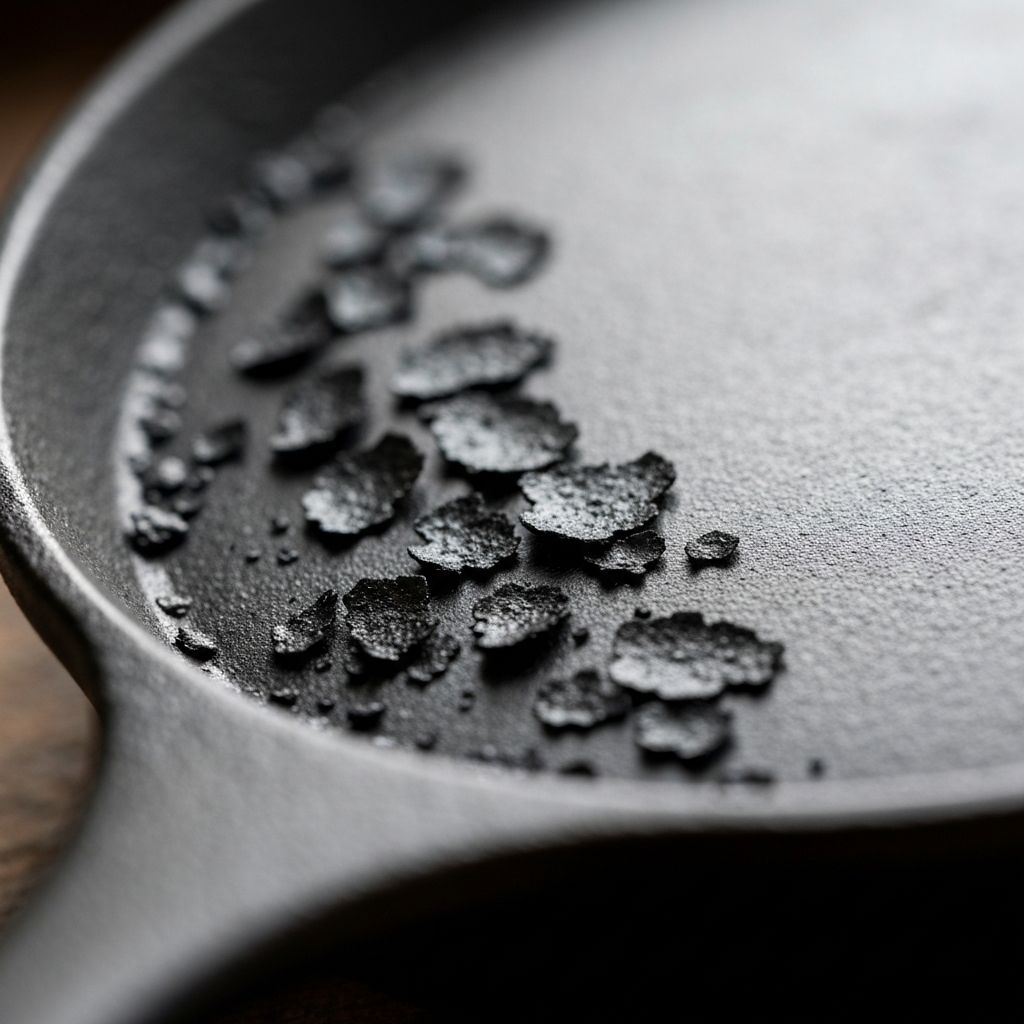
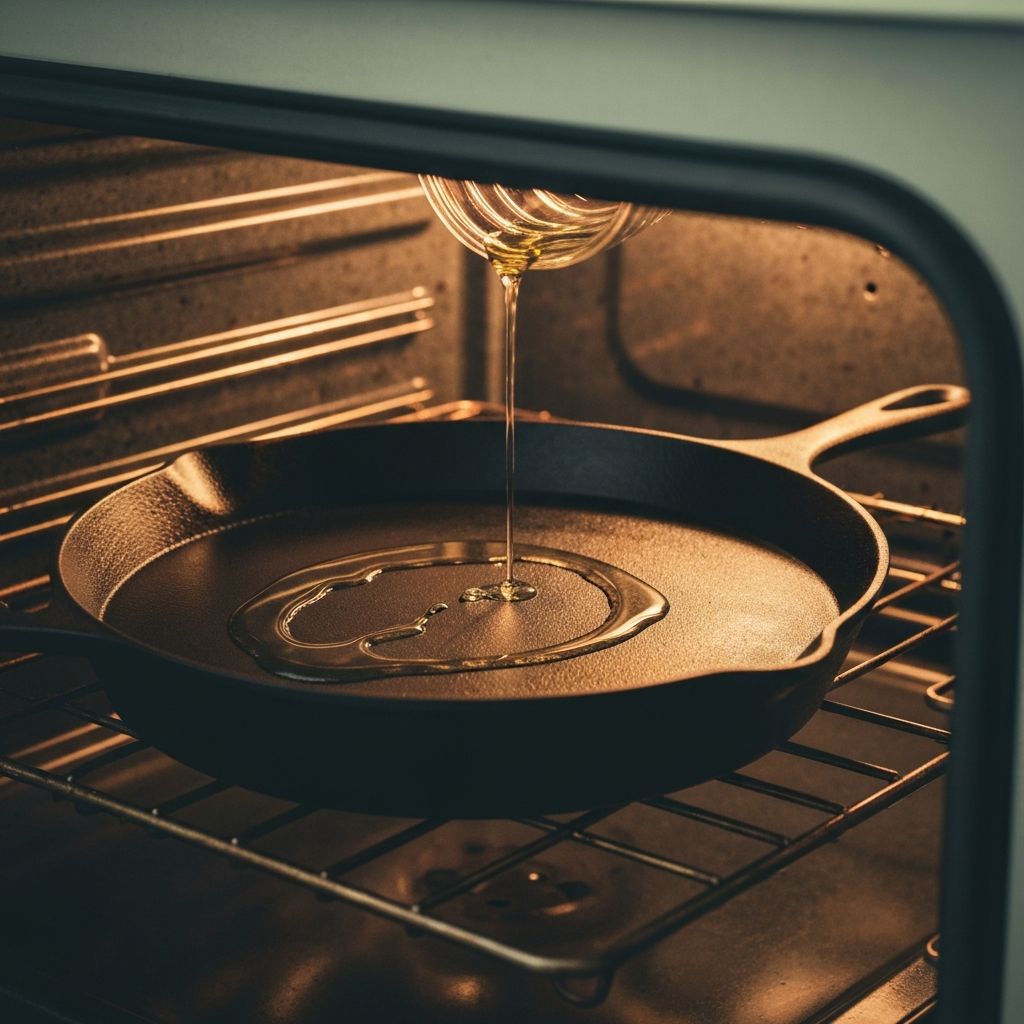
Seeing the black seasoning layer peeling or flaking off your Lodge pan can be alarming, but it's a fixable problem. Seasoning flakes off for several reasons, and understanding the cause will help you prevent it from happening again.
Common Causes of Flaking Seasoning
Too Much Oil During Seasoning
Applying too thick a layer of oil during the seasoning process is the most common cause of flaking. When excess oil is baked on, it doesn't polymerize properly and creates a sticky, uneven coating that eventually flakes off. The key is to apply a very thin layer—wipe the oil on, then wipe it all off. It should look almost dry.
Using the Wrong Type of Oil
Not all oils create durable seasoning. Oils with low smoke points or those that don't polymerize well (like olive oil or butter) can create weak seasoning layers that flake. Lodge recommends using vegetable oil, canola oil, or flaxseed oil for seasoning, as these have high smoke points and polymerize into hard, durable coatings.
Insufficient Heating Time
If the pan isn't heated long enough or at a high enough temperature during seasoning (at least 450-500°F for an hour), the oil won't fully polymerize. This results in a weak, sticky layer that can peel or flake with use.
Cooking Acidic Foods
Highly acidic foods like tomato sauce, vinegar, or citrus can break down the seasoning layer, especially if the seasoning is new or not well-established. This can cause the seasoning to lift and flake. Avoid cooking acidic foods in a newly seasoned pan; wait until you've built up several layers of seasoning.
Thermal Shock
Exposing your hot Lodge pan to cold water can cause the metal to contract rapidly, which may cause the seasoning to crack or flake. Always let your cast iron cool before washing, or use warm water instead of cold.
How to Fix Flaking Seasoning
If your Lodge seasoning is flaking, don't worry—you can restore it. First, remove the flaking seasoning by scrubbing with steel wool or a stiff brush. Wash and dry the pan thoroughly, then re-season it properly. Apply a very thin coat of oil (remember: wipe on, wipe off), place the pan upside down in a 450-500°F oven for one hour, then let it cool in the oven. Repeat this process 2-3 times for best results. Learn more in our complete seasoning guide.
Why Did My Lodge Cast Iron Pan Crack?
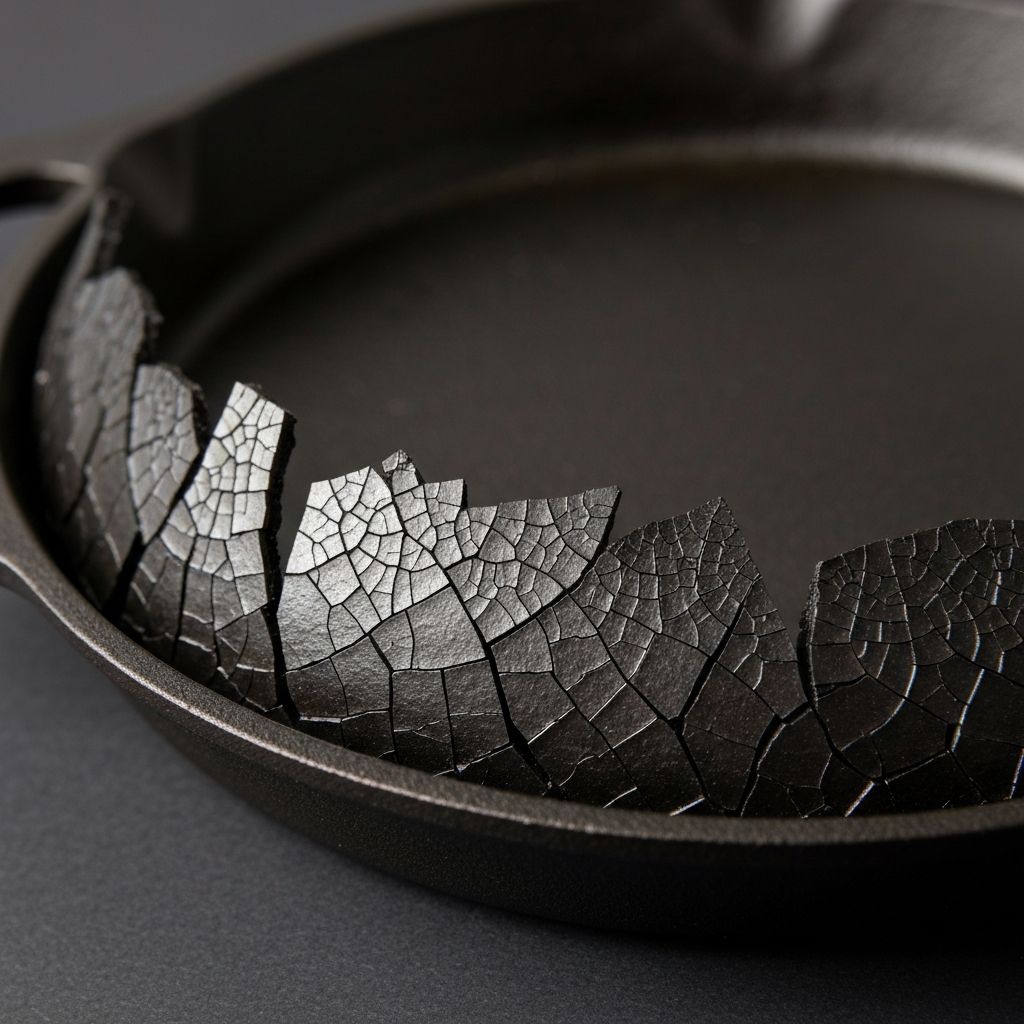
A cracked cast iron pan is rare but can happen, and the most common cause is thermal shock. Cast iron is incredibly durable, but it's also brittle and doesn't handle sudden, extreme temperature changes well. Understanding thermal shock and how to prevent it will help protect your Lodge investment.
What Is Thermal Shock?
Thermal shock occurs when cast iron experiences a rapid temperature change, causing the metal to expand or contract quickly and unevenly. This stress can cause the pan to crack, warp, or even shatter in extreme cases. Common scenarios that cause thermal shock include:
- Placing a very hot Lodge pan directly into cold water or onto a cold surface
- Adding cold liquids to an extremely hot pan
- Moving a pan from a hot oven directly to a cold countertop
- Placing a cold pan on a very hot burner without preheating gradually
- Using high heat too quickly without allowing the pan to warm up
How to Prevent Thermal Shock
Preventing thermal shock is simple—just avoid sudden temperature changes. Always preheat your Lodge pan gradually over medium heat rather than blasting it on high. When cleaning, let the pan cool for several minutes before washing, or use warm water instead of cold. If you're adding liquid to a hot pan (like deglazing), ensure the liquid is at least room temperature or slightly warm.
Other Causes of Cracking
While thermal shock is the primary cause, cast iron can also crack from dropping (the impact creates stress fractures), manufacturing defects (rare with Lodge's quality control), or exposure to extreme temperatures in a fire. If you've cracked your Lodge pan and it was due to a manufacturing defect, contact Lodge customer service—they stand behind their products.
Important Warning
If your Lodge pan has cracked, it's best to discontinue use. A crack can worsen with heat and potentially cause injury or further damage. While surface chips and minor imperfections are usually safe, cracks that go through the pan compromise its structural integrity.
Is Cooking in Lodge Cast Iron Healthy?
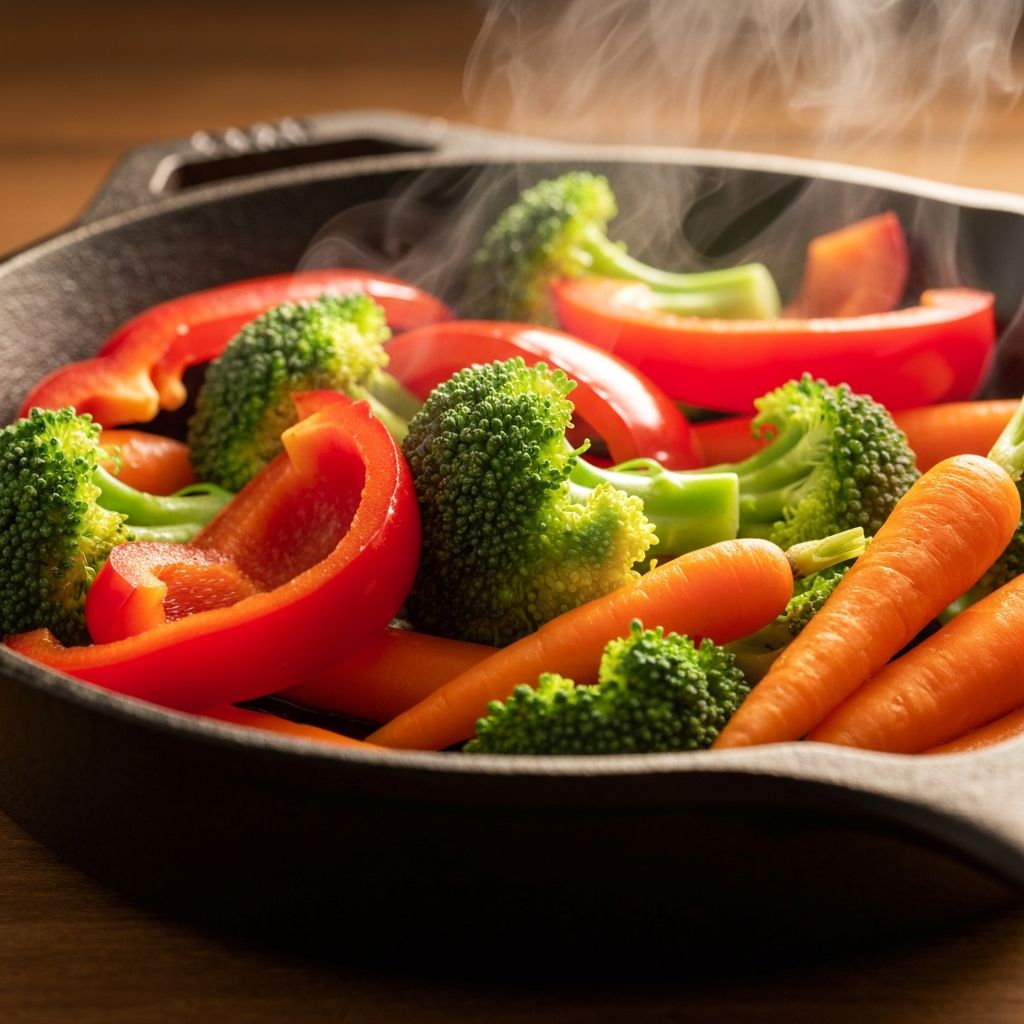
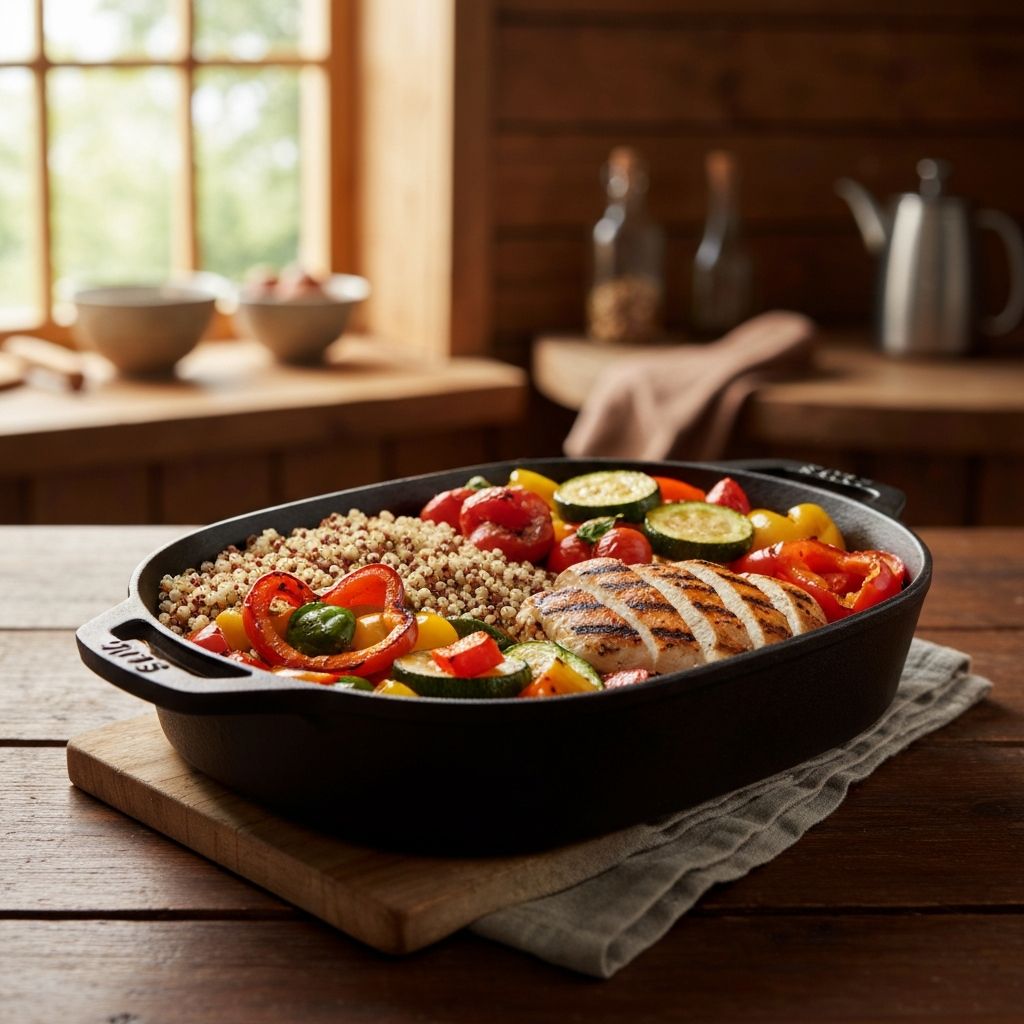
Yes, cooking in Lodge cast iron is not only safe but can actually provide health benefits. Unlike nonstick cookware that may release harmful chemicals when overheated, cast iron is completely natural and chemical-free. One of the notable benefits is dietary iron supplementation.
Iron Intake from Cast Iron Cooking
Research has shown that cooking in cast iron can increase the iron content of your food, which is beneficial for people at risk of iron deficiency, such as vegetarians, pregnant women, and growing children. The amount of iron transferred depends on several factors:
- Acidity of food: Acidic foods (tomatoes, vinegar-based sauces) absorb more iron from the pan
- Cooking time: Longer cooking times result in more iron transfer
- Moisture content: Wet, simmering foods absorb more iron than dry cooking methods
- Seasoning layer: Well-seasoned pans transfer less iron than newly seasoned ones
Studies suggest that cooking a single meal in cast iron can increase the iron content by as much as 2-5mg, which is significant considering the recommended daily intake is 8-18mg for adults. This natural iron supplementation is bioavailable and easily absorbed by the body.
Is Lodge Cookware Toxic?
Absolutely not. Lodge cast iron cookware is made from iron and carbon—that's it. There are no PFOA, PTFE, or other potentially harmful chemicals used in manufacturing. The seasoning layer is simply polymerized oil, which is completely food-safe. Unlike modern nonstick coatings that can break down and potentially release harmful fumes at high temperatures, Lodge cast iron becomes safer and more nonstick over time as the seasoning builds up.
Additional Health Advantages
- No chemical coatings: Unlike Teflon or ceramic pans, there's nothing to flake off into your food
- High heat tolerance: Safe to use at any temperature without releasing harmful fumes
- Durability means less waste: A Lodge pan can last over 100 years, reducing environmental impact
- Natural nonstick: Once seasoned, requires less oil for cooking compared to stainless steel
Note for Individuals with Hemochromatosis
If you have hemochromatosis (a condition where the body absorbs too much iron), you may want to limit cooking in cast iron or choose a well-seasoned pan that transfers less iron. Consult with your healthcare provider if you have concerns about iron intake.
Can I Use Lodge Cast Iron on a Glass Top Stove or Induction Cooktop?
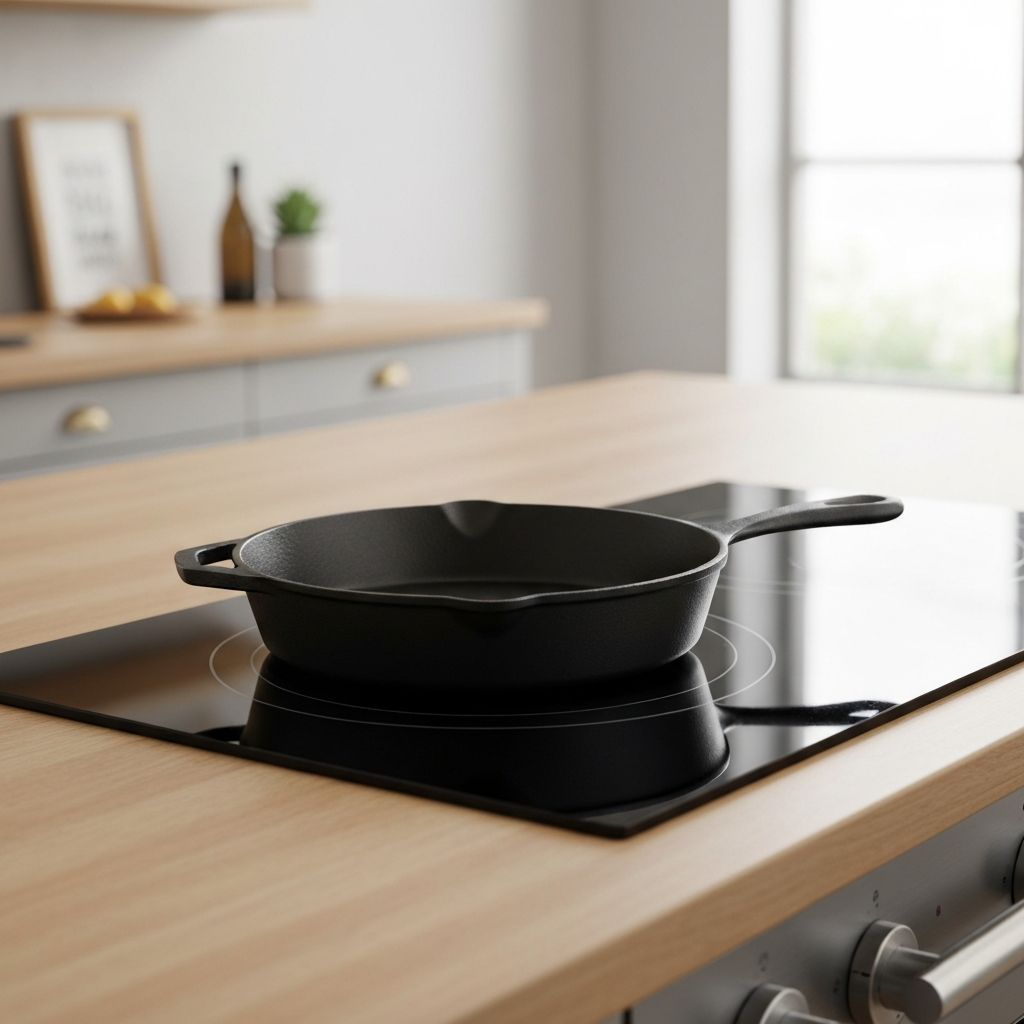
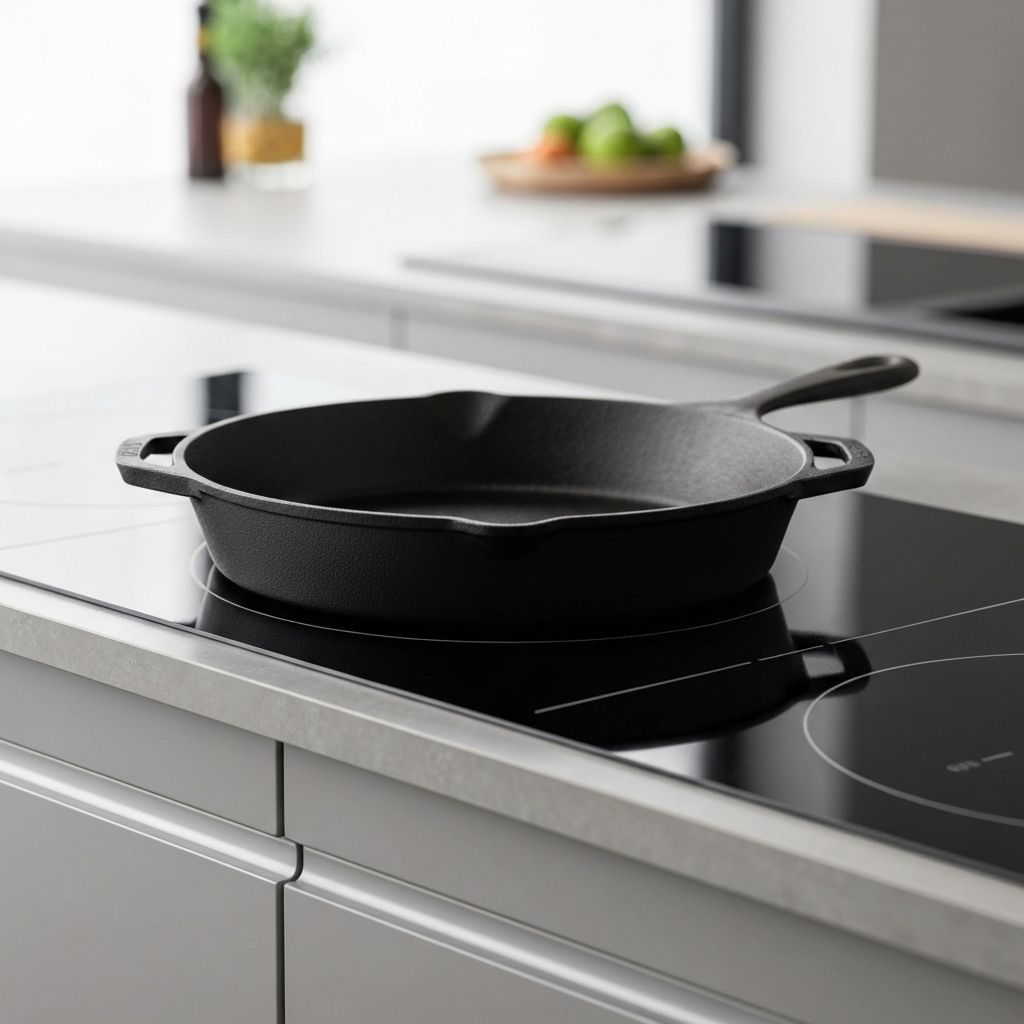
One of the most common questions we receive is about stovetop compatibility. The great news is that Lodge cast iron cookware is compatible with virtually all cooktop types, including gas, electric, glass top (ceramic), and induction. However, there are some important precautions to take, especially with glass top stoves.
Lodge Cast Iron on Glass Top Stoves
Yes, you can absolutely use Lodge cookware on a glass top stove, but you need to be careful to avoid scratching or cracking the glass surface. Cast iron is heavy and has a rough bottom surface, which can scratch the smooth glass cooktop if you're not careful.
Tips for Using Cast Iron on Glass Top Stoves:
- Lift, don't slide: Always lift the pan to move it—never drag or slide it across the glass surface
- Check the bottom: Ensure the bottom of your Lodge pan is smooth and free of debris before placing it on the cooktop
- Start with lower heat: Glass cooktops heat efficiently; start with medium heat and adjust as needed
- Use caution with weight: Don't drop or bang the pan on the surface, as the weight can crack the glass
- Center the pan: Make sure the pan is centered on the burner for even heating
Many people successfully use Lodge cast iron on glass top stoves for years without issues by following these simple precautions. The key is gentle handling and awareness of the weight and surface texture of the cookware.
Lodge Cast Iron on Induction Cooktops
Lodge cast iron is perfect for induction cooking. Induction cooktops work by creating a magnetic field that generates heat directly in magnetic cookware, and cast iron is highly magnetic. In fact, cast iron is one of the best materials for induction cooking because of its excellent heat retention and even heating properties.
Benefits of Using Lodge on Induction:
- Instant compatibility: All Lodge cast iron cookware works on induction with no adapters needed
- Efficient heating: Induction's precise temperature control combines perfectly with cast iron's heat retention
- Energy savings: The magnetic connection means less wasted heat compared to gas or electric
- Safer cooking: The cooktop itself stays cooler since heat is generated in the pan, not the surface
As with glass cooktops, use caution when placing and removing the pan to avoid scratching the induction surface. The same "lift, don't slide" rule applies.
Other Cooktop Types
Gas stoves: Cast iron is ideal for gas cooking. The direct flame provides even heating, and there's no concern about scratching. Lodge cast iron has been the go-to choice for gas stoves for over a century.
Electric coil stoves: Lodge works great on electric coil burners. Make sure the pan size matches the burner size for best results, and be aware that cast iron heats more slowly on electric than on gas.
Campfire and grill: Lodge cast iron is perfect for outdoor cooking over campfires, grills, and even hot coals. This is where cast iron truly shines with its durability and heat retention.
Universal Compatibility
One of Lodge cast iron's greatest advantages is its versatility. Whether you're cooking on a modern induction cooktop, a vintage gas range, over a campfire, or in the oven, your Lodge cookware will perform beautifully. This universal compatibility makes it a smart investment for any kitchen.
Quick Reference FAQ
Can I use soap on my Lodge cast iron?
Yes! Modern dish soap won't harm your seasoning. The myth that soap ruins cast iron comes from old lye-based soaps. Just avoid harsh detergents and always dry thoroughly after washing.
How often should I season my Lodge pan?
Lodge cookware comes pre-seasoned, so you can start cooking immediately. Re-season when you notice food sticking more than usual, after cooking acidic foods, or if you see dull, dry patches. With regular use and proper care, you may only need to re-season once or twice a year.
Can I put my Lodge cast iron in the dishwasher?
No. The dishwasher's harsh detergents and prolonged water exposure will strip the seasoning and can cause rust. Always hand wash your Lodge cookware with warm water and dry it immediately.
Is it normal for my Lodge pan to look blotchy?
Yes, especially when it's new or recently re-seasoned. The seasoning will even out with use. Different areas may darken at different rates depending on heat exposure and the types of food you cook. This is completely normal and doesn't affect performance.
Can I cook eggs in Lodge cast iron?
Eggs are one of the best ways to test your seasoning. A well-seasoned Lodge pan with proper preheating and enough fat will cook eggs beautifully. If eggs stick, your pan needs more seasoning or better heat control.
Why does my Lodge pan have a rough surface?
The slightly pebbly texture is normal for modern cast iron manufacturing and doesn't affect cooking performance. Vintage cast iron was often polished smooth, but Lodge's textured surface helps grip the seasoning. Over time and with use, the surface will become smoother as seasoning builds up.
Still Have Questions?
Explore our complete care guide for detailed instructions on seasoning, cleaning, and maintaining your Lodge cookware for a lifetime of exceptional cooking.