The Ultimate Lodge Cast Iron Care Guide
Master the art of seasoning, cleaning, and restoring your Lodge cookware. Everything you need to know to keep your cast iron performing perfectly for generations.
Caring for your Lodge cast iron cookware is easier than you think. While cast iron has a reputation for being high-maintenance, the truth is that with proper care, your Lodge skillet or Dutch oven will become easier to use and better performing over time. This comprehensive guide covers everything from daily cleaning to rust removal and re-seasoning.
Whether you just purchased your first Lodge cast iron skillet or you're restoring a vintage piece passed down through your family, this guide will teach you the proper techniques for maintaining, cleaning, and seasoning Lodge cast iron cookware. Let's debunk the myths and get to the facts about cast iron care.
How to Clean Lodge Cast Iron Cookware
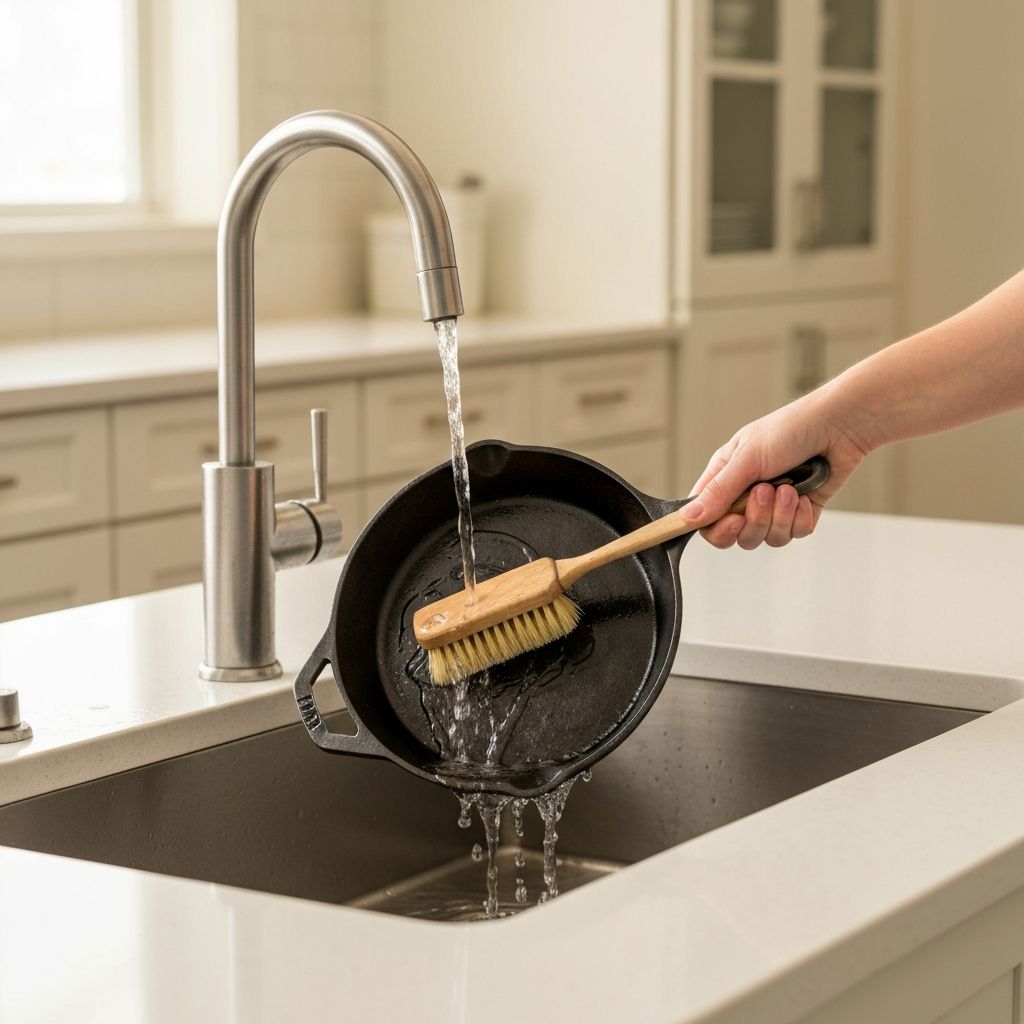
Daily cleaning of your Lodge cast iron is simple and straightforward. Follow these steps after each use to keep your cookware in perfect condition.
Clean While Still Warm
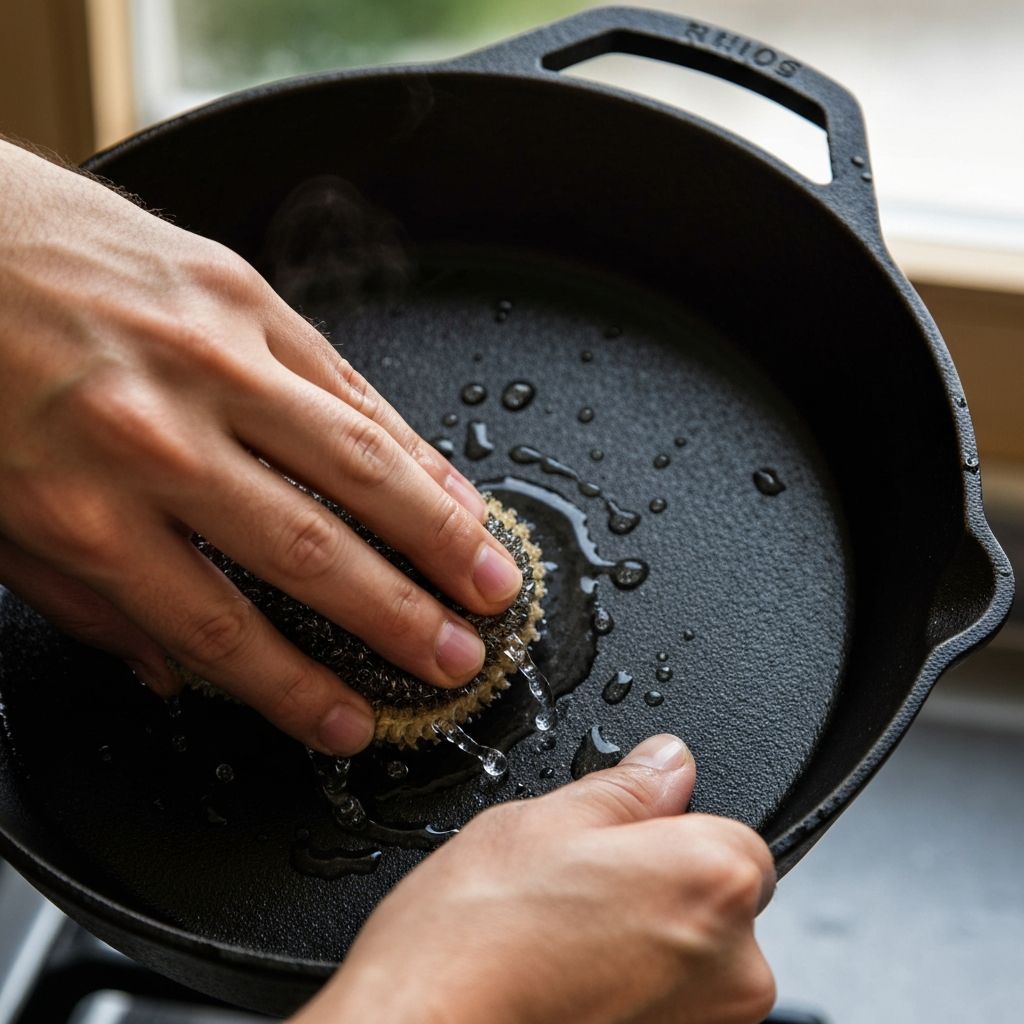
The best time to clean your Lodge cast iron is while it's still warm (not hot). Food residue comes off much easier when the pan is warm. Let it cool just enough to handle safely with a towel or pot holder.
Use Warm Water & Scrubber
Rinse your Lodge cast iron under warm water and use a stiff brush, non-abrasive scrubber, or even a Lodge chain mail scrubber to remove food particles. For stubborn stuck-on food, add some coarse salt as a gentle abrasive.
Soap Is Okay (Yes, Really!)
Contrary to popular myth, a small amount of mild dish soap is perfectly fine for cleaning Lodge cast iron. Modern seasoning is bonded to the iron and won't be removed by soap. Just use a small amount and rinse thoroughly.
Dry Thoroughly
This is the most important step! Dry your Lodge cast iron completely with a clean towel or paper towels. You can also place it on a warm burner for a few minutes to evaporate any remaining moisture. Never air-dry cast iron as this can lead to rust.
Apply Thin Oil Layer
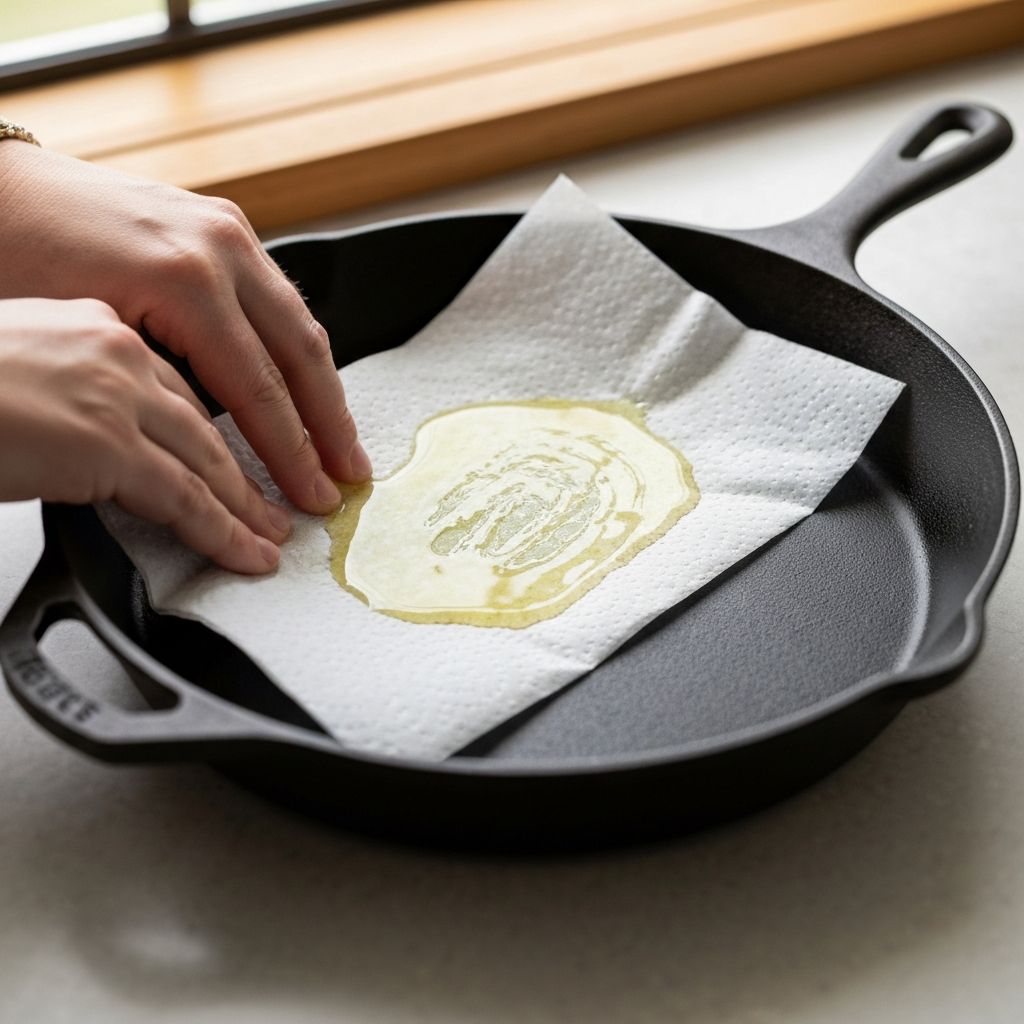
After drying, apply a very thin layer of cooking oil to the entire surface of your Lodge cookware, inside and out. Use a paper towel to spread the oil and wipe away any excess. This protects the seasoning and prevents rust between uses.
Pro Tips for Cleaning Lodge Cast Iron
- For stuck-on food: Add water to the pan, bring to a simmer on the stove, and use a wooden spatula to gently scrape. This steam-cleaning method works wonders without damaging the seasoning.
- Salt scrub method: For particularly stubborn residue, pour coarse salt into the pan with a little oil and scrub with a paper towel. The salt acts as a gentle abrasive that won't harm the seasoning.
- Never soak: Don't leave your Lodge cast iron soaking in water. This is the fastest way to get rust. Clean it right after cooking while it's still warm.
- Skip the dishwasher: Always hand wash your Lodge cast iron. The dishwasher's harsh detergents and prolonged water exposure will strip the seasoning and cause rust.
How to Season a Cast Iron Skillet
Seasoning is the process of bonding oil to cast iron at high heat, creating a natural non-stick surface. While all Lodge cookware comes pre-seasoned from the factory, you may want to re-season your pan periodically or after rust removal.
What Is Cast Iron Seasoning?
Seasoning is not just a coating on your Lodge cast iron - it's a molecular bond between fat molecules and the iron itself. When oil is heated to its smoke point on cast iron, it undergoes a chemical process called polymerization, bonding to the metal and creating a hard, protective, naturally non-stick surface.
This seasoning layer protects the iron from rust, provides non-stick properties, and actually improves with use. Each time you cook with fat in your Lodge cast iron, you're adding to and improving the seasoning. That's why vintage cast iron skillets that have been used for decades develop such amazing non-stick surfaces.
Best Oils for Seasoning Lodge Cast Iron
Vegetable Oil (Recommended)
Affordable, high smoke point, what Lodge uses at the factory
Canola Oil
Easy to find, consistent results, neutral flavor
Grapeseed Oil
Very high smoke point, creates durable seasoning
Flaxseed Oil
Creates very hard seasoning, but can flake if applied too thick
Step-by-Step Oven Seasoning Method
Preheat Your Oven
Preheat your oven to 450-500°F (230-260°C). Place aluminum foil on the bottom rack to catch any drips. The high temperature is essential for proper polymerization of the oil.
Wash and Dry Thoroughly
Wash your Lodge cast iron with warm soapy water to remove any residue. Dry it completely with a towel, then place it on a warm burner for a few minutes to ensure all moisture has evaporated. Any remaining water will interfere with the seasoning process.
Apply a Thin Layer of Oil
Using a paper towel or clean cloth, apply a very thin layer of your chosen oil to the entire surface of the cookware - inside, outside, and handle. Then use a fresh paper towel to wipe off as much oil as possible. The layer should look almost dry. Too much oil will result in a sticky, uneven finish. The key is THIN - you want the thinnest possible coat.
Bake Upside Down
Place your Lodge cookware upside down on the top oven rack. This prevents oil from pooling. Bake for one hour. You'll notice some smoke during this process - this is normal and means the oil is polymerizing. Make sure your kitchen is well-ventilated.
Cool and Repeat
After one hour, turn off the oven and let the cookware cool completely inside the oven. Once cool, repeat the process (steps 3-4) 3-4 more times for best results. Multiple thin layers create better seasoning than one thick layer. Your Lodge cast iron should have a smooth, dark, semi-matte finish when properly seasoned.
Alternative: Stovetop Seasoning Method
If you don't want to use your oven, you can season Lodge cast iron on the stovetop. Clean and dry your pan, apply a thin layer of oil, then heat it on medium-high until it starts to smoke. Let it smoke for 2-3 minutes, turn off the heat, and let it cool. Wipe out excess oil and repeat 3-4 times. This method works well for touch-ups and maintenance seasoning.
The stovetop method is faster but may result in less even coverage than oven seasoning. It's perfect for maintaining existing seasoning or doing quick touch-ups after cleaning.
Removing Rust from Lodge Cast Iron
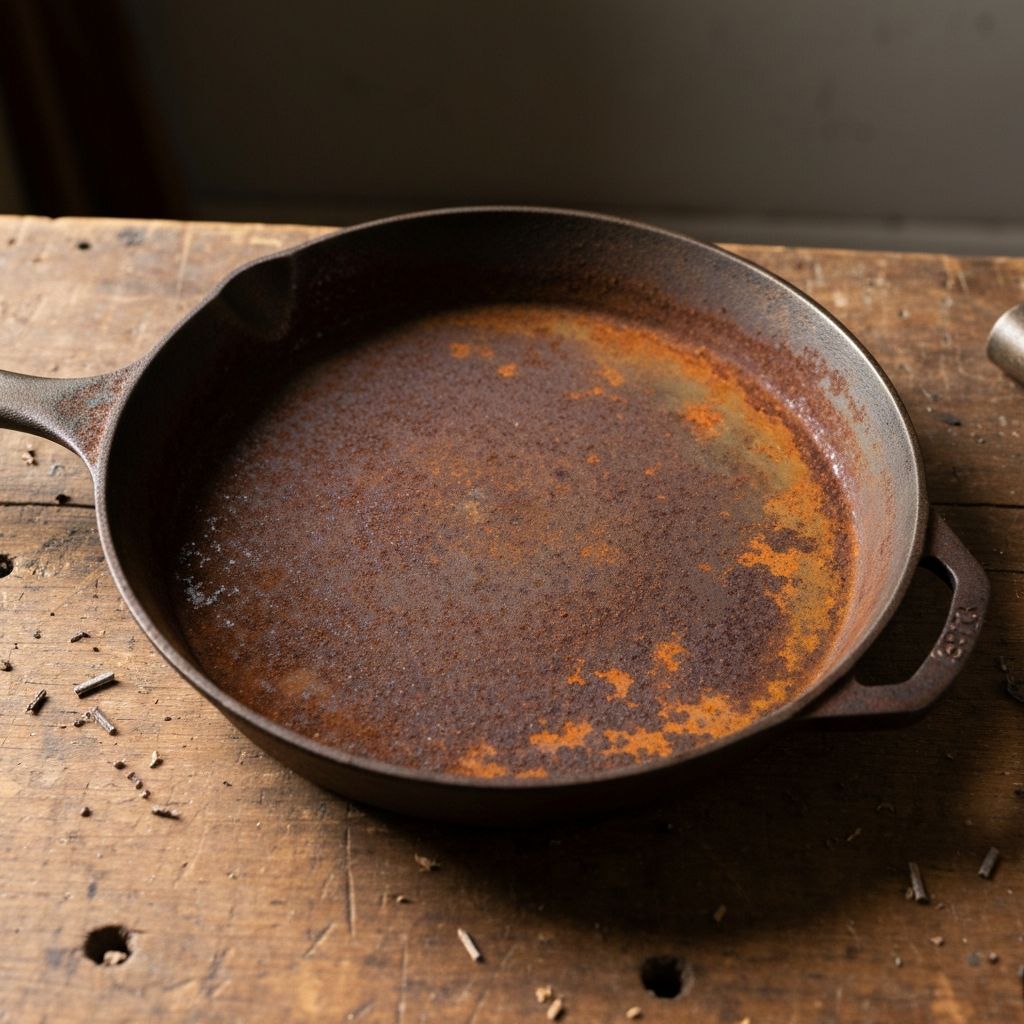
Found a rusty Lodge skillet at a yard sale or discovered rust on your stored cookware? Don't worry - cast iron is nearly indestructible, and rust can be completely removed with a bit of effort.
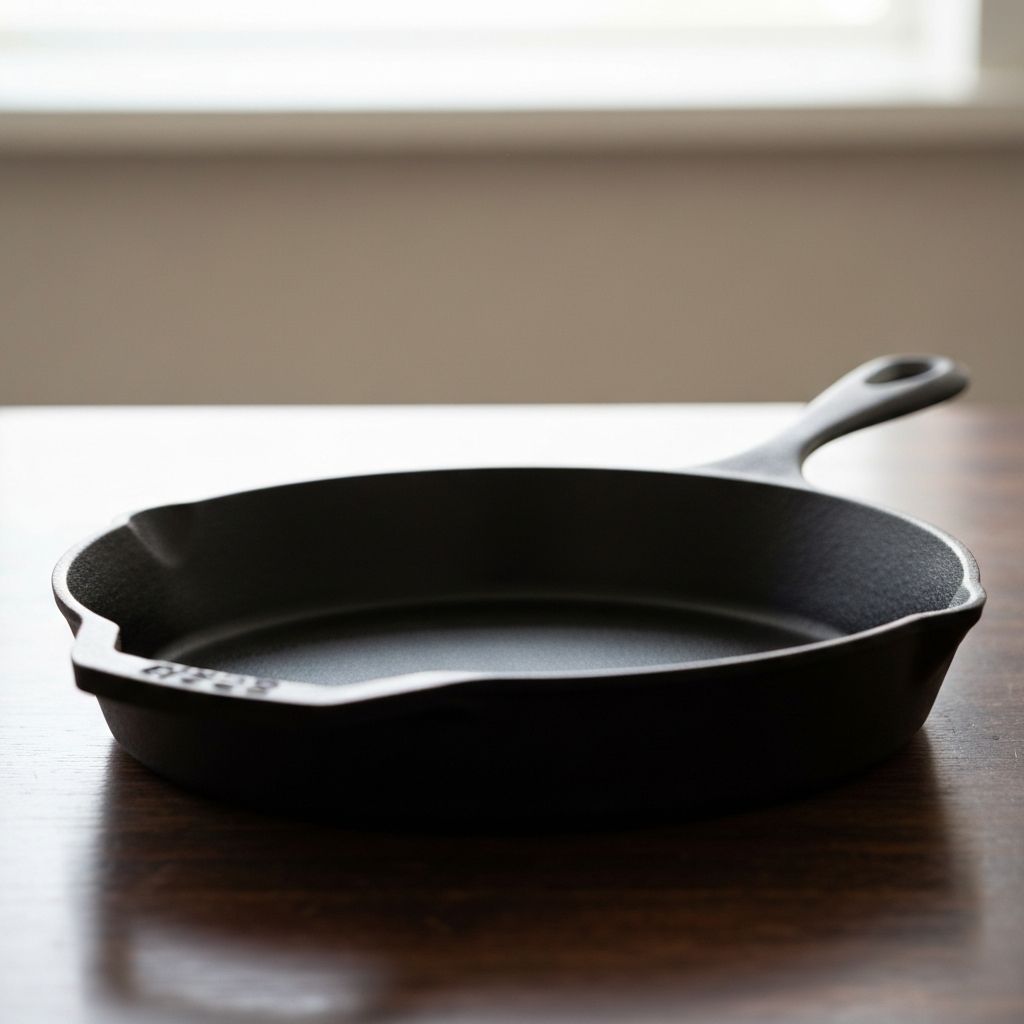
Rust Removal Methods
Method 1: Light Rust (Salt Scrub)
For light surface rust that hasn't penetrated deeply, a simple salt scrub is often sufficient. This is the gentlest method and preserves most of your existing seasoning.
Pour coarse salt generously over the rusted areas of your Lodge cookware
Add a small amount of cooking oil to create a paste
Scrub vigorously with a paper towel, cloth, or the cut side of a potato (works great!)
Rinse, dry thoroughly, and apply a thin layer of oil
Method 2: Medium Rust (Vinegar Soak)
For moderate rust that covers larger areas but hasn't pitted the iron significantly, a vinegar bath works wonders. White vinegar dissolves rust effectively while being gentle on the iron itself.
Mix equal parts white vinegar and water in a container large enough to submerge your cookware
Submerge the rusty Lodge cast iron and check every 30 minutes. IMPORTANT: Don't leave it longer than 6-8 hours as vinegar can begin to pit the iron
Once rust is dissolved, remove and scrub with steel wool or a scouring pad to remove any remaining residue
Wash with soap and water, dry immediately and thoroughly (rust forms fast on bare iron)
Season immediately following the oven seasoning method described above (3-4 layers)
Method 3: Heavy Rust (Electrolysis or Lye Bath)
For severely rusted Lodge cookware with heavy pitting or rust that covers the entire piece, more aggressive restoration methods may be needed. These methods completely strip all rust and seasoning, allowing you to start fresh.
Electrolysis: This method uses electricity to convert rust back to iron. While highly effective, it requires special equipment (battery charger, washing soda, sacrificial steel) and safety precautions. Best for serious cast iron restoration projects.
Lye Bath: Commercial lye (sodium hydroxide) can completely strip seasoning and rust. However, lye is caustic and dangerous if mishandled. Always use proper safety equipment (gloves, goggles) and work outdoors.
Note: For heavily rusted pieces, we recommend consulting detailed restoration guides or taking the cookware to a professional. These advanced methods require safety equipment and expertise beyond everyday cooking.
Preventing Rust on Lodge Cast Iron
Rust forms when bare iron is exposed to moisture and oxygen. The good news? Rust is easily prevented with proper care:
- Always dry completely: Never let your Lodge cast iron air dry. Towel dry immediately after washing and place on a warm burner to evaporate any remaining moisture.
- Maintain seasoning: A well-seasoned surface protects the iron from moisture. Apply a thin layer of oil after each wash.
- Store properly: Store in a dry location. If stacking pans, place paper towels between them to absorb any moisture and prevent scratching.
- Use regularly: The best prevention is regular use. Cooking in your Lodge cast iron continuously renews and strengthens the seasoning, providing rust protection.
Cast Iron Myths: Busted
Cast iron cookware is surrounded by misconceptions that make it seem more difficult than it really is. Let's separate fact from fiction and set the record straight about Lodge cast iron care.
MYTH
"Never use soap on cast iron"
FACT
Modern dish soap is perfectly safe for Lodge cast iron. The myth originated when soaps contained lye, which could damage seasoning. Today's mild dish soaps won't harm properly seasoned cast iron. Just use a small amount, rinse well, dry thoroughly, and apply oil after washing.
MYTH
"Rust means your pan is ruined"
FACT
Cast iron is nearly indestructible. Surface rust can be scrubbed off with salt or removed with a vinegar soak. Even heavily rusted pans can be fully restored with proper treatment. After removing rust, simply re-season the cookware and it's as good as new. Lodge skillets from the 1800s are still being used today!
MYTH
"You can't cook acidic foods in cast iron"
FACT
You can cook acidic foods like tomatoes, citrus, and wine in well-seasoned Lodge cast iron. The key is a good seasoning layer and not simmering for extended periods (over 30 minutes). Brief cooking of acidic ingredients is fine and won't damage your seasoning. Just avoid leaving acidic foods sitting in the pan for hours.
MYTH
"Cast iron heats evenly"
FACT
Cast iron doesn't heat evenly - it heats slowly but retains heat exceptionally well. The secret to even heating is preheating your Lodge cookware properly. Place it on the burner for 5-10 minutes allowing heat to distribute throughout the pan. Once hot, it maintains temperature better than any other cookware material, perfect for searing and frying.
MYTH
"Seasoning should be perfectly smooth"
FACT
Modern Lodge cast iron has a slightly textured surface from the sand casting process - this is normal and doesn't affect performance. The seasoning should be even in color (dark brown to black) but doesn't need to be glassy smooth. Good seasoning feels slightly satiny, not sticky or flaky. With use, the surface becomes smoother naturally.
MYTH
"Cast iron is too high-maintenance"
FACT
Lodge cast iron care takes less than 2 minutes after cooking: rinse with warm water, scrub if needed, dry thoroughly, apply a thin layer of oil. That's it! Compare this to non-stick pans that need replacing every few years. The small effort of maintaining cast iron is rewarded with cookware that lasts generations and actually improves with age.
Quick Reference: Lodge Cast Iron Do's & Don'ts
Print this guide or bookmark this page for quick reference whenever you need it.
DO
- Preheat your Lodge cast iron slowly for even heat distribution
- Dry thoroughly after every wash to prevent rust
- Apply a thin layer of oil after cleaning for rust protection
- Use metal utensils freely - they won't damage your seasoning
- Cook with fats regularly to build seasoning
- Clean while still warm for easier food removal
- Use on any heat source - gas, electric, induction, oven, grill, campfire
- Re-season when food starts sticking or seasoning looks patchy
DON'T
- Leave cast iron soaking in water or let it air dry
- Put Lodge cast iron in the dishwasher - always hand wash
- Store acidic foods in the pan for extended periods
- Apply too much oil when seasoning - thin layers only
- Use high heat immediately - warm up gradually
- Use in microwave - cast iron is not microwave safe
- Panic about minor rust - it's easily fixable
- Store without proper drying or in humid environments
Ready to Start Your Cast Iron Journey?
Now that you know how easy it is to care for Lodge cast iron cookware, you're ready to experience the joy of cooking with America's original cookware. Browse our collection of pre-seasoned cast iron skillets, Dutch ovens, and specialty cookware.